Sightline Tossvisual practice wall
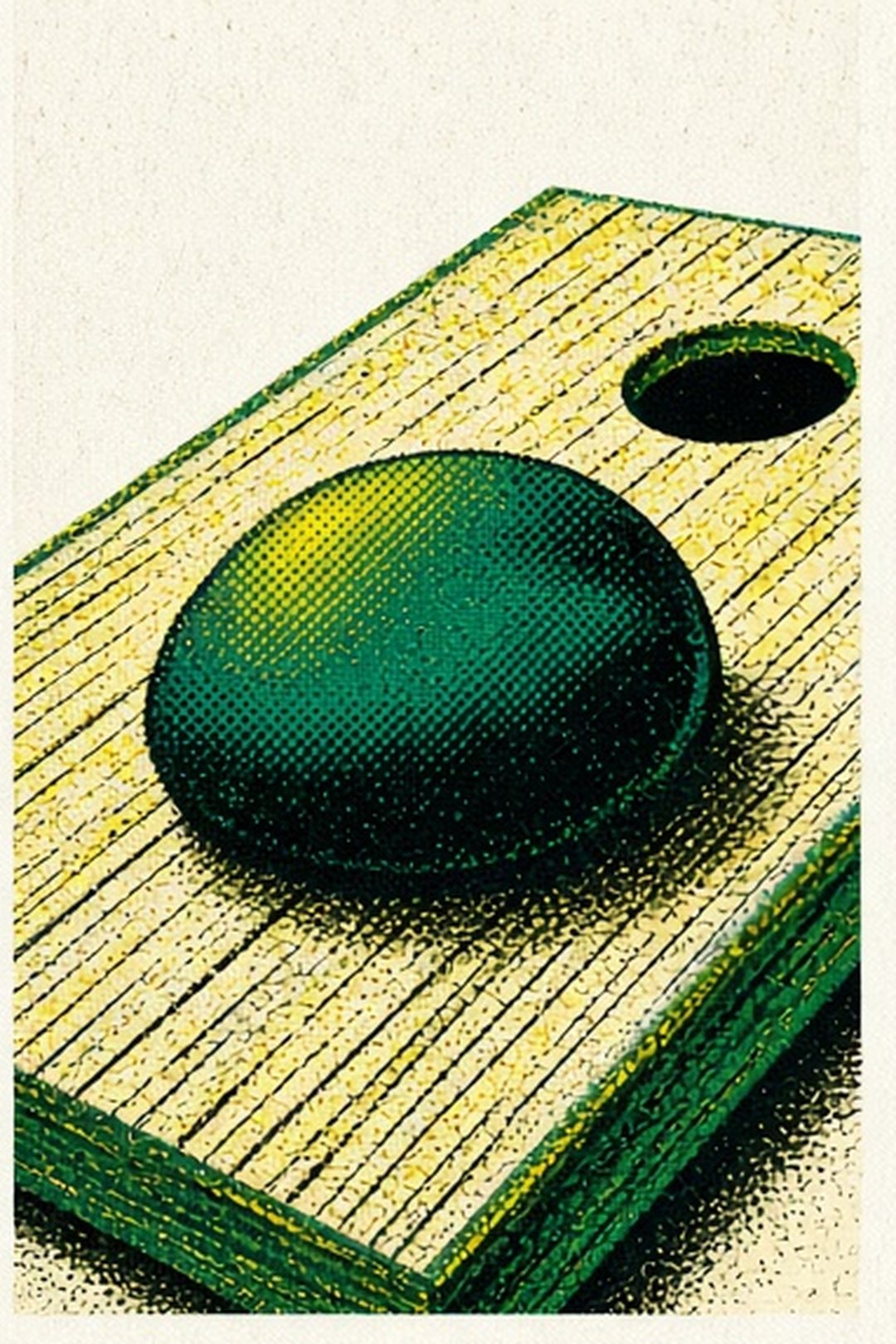
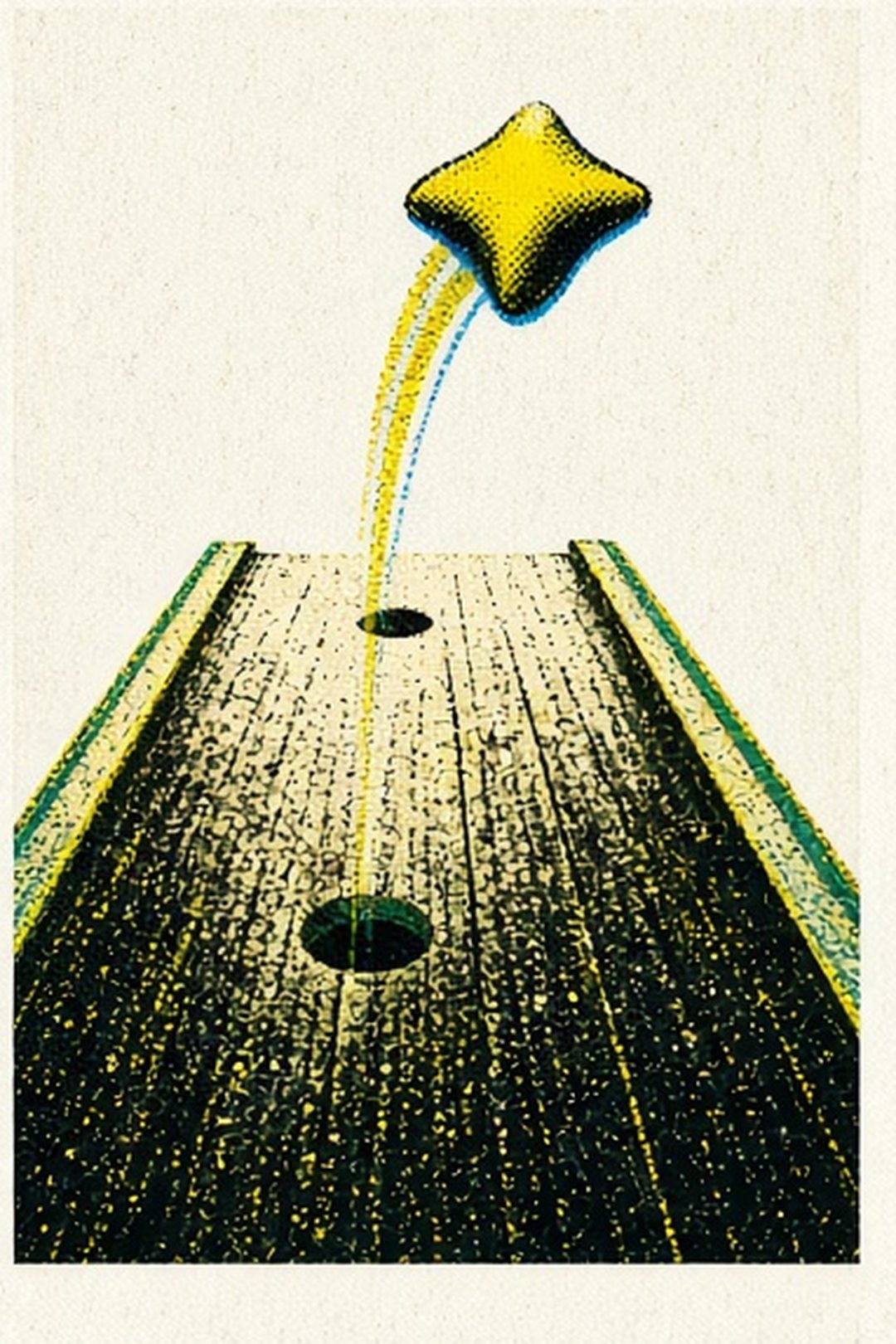
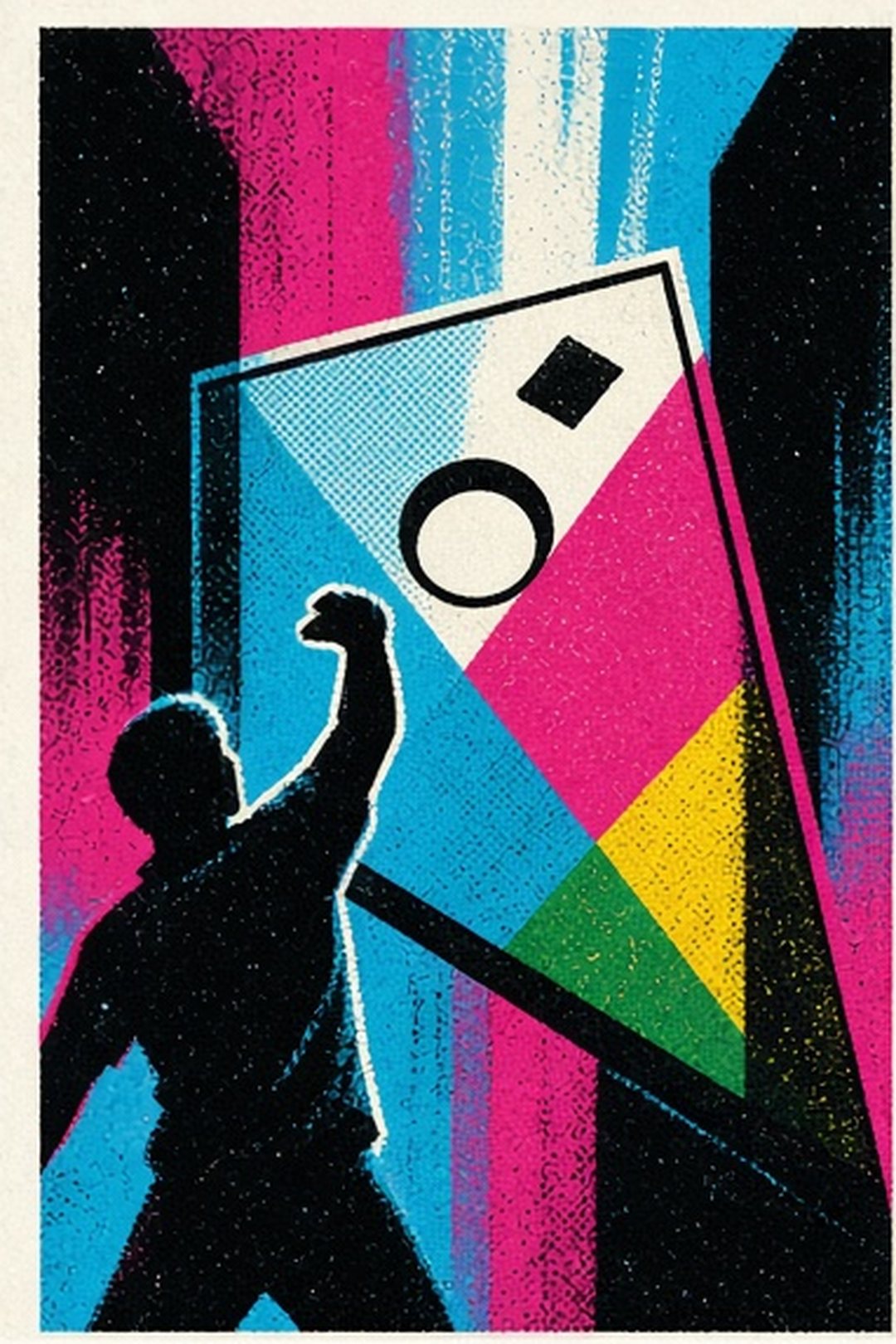
Screen-printed cornhole board gate viewed from the player end

Board gate / first view

Make the next throw visible before it leaves your hand.

Sightline Toss pairs the cornhole context of AMERICAN DEAF CORNHOLE INC. with a visual practice companion for board reading, intended paths, repeatable routines, and respectful shared play.

Enter the sightline
Look

Round one / board picture

Find the lane before naming the path.

Start with the board you can see: distance, angle, open space, bag positions, stance, and a partner’s clear line of sight.
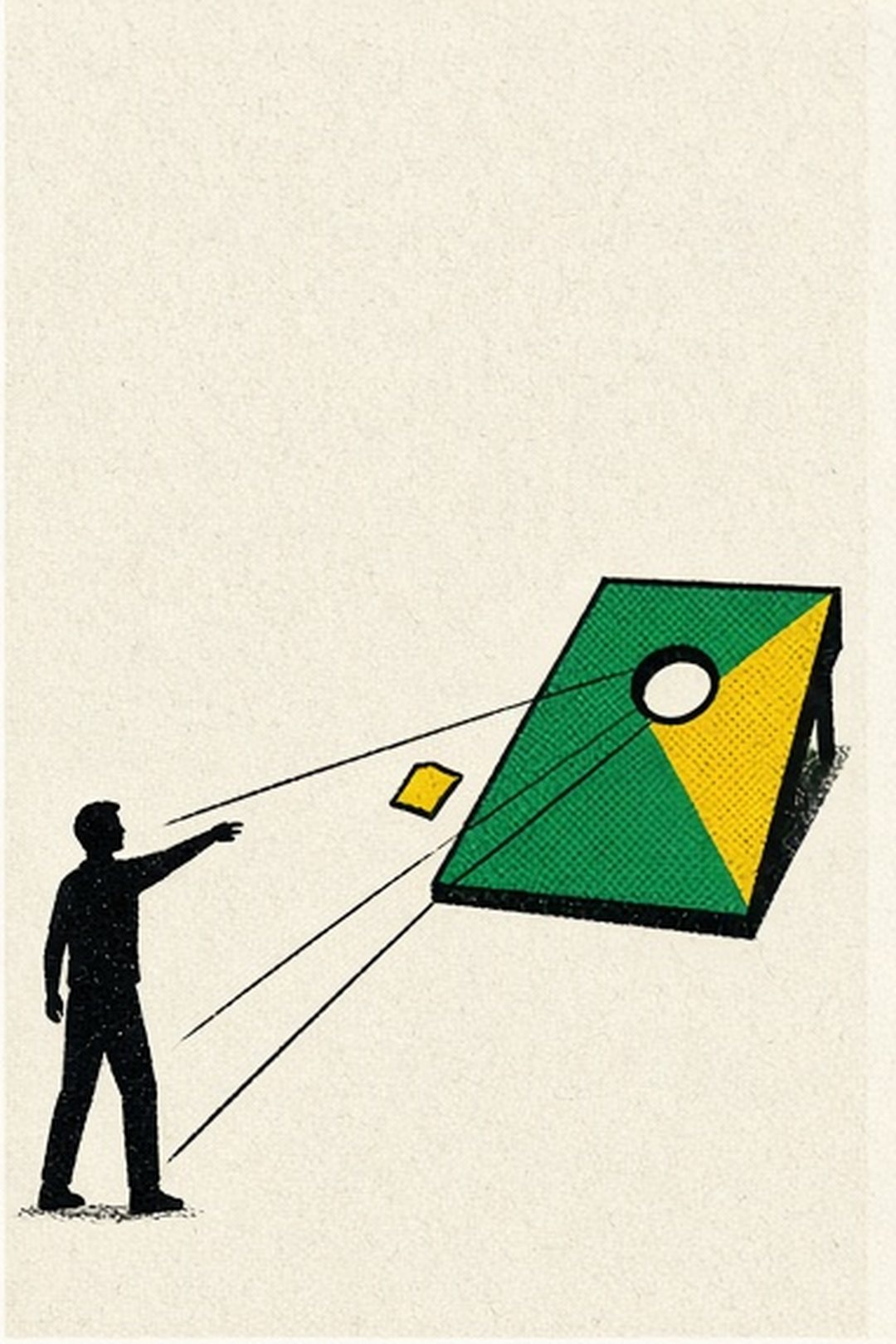
Clear board sightline from a fictional player position
Board pictureLet the whole lane enter the frame.
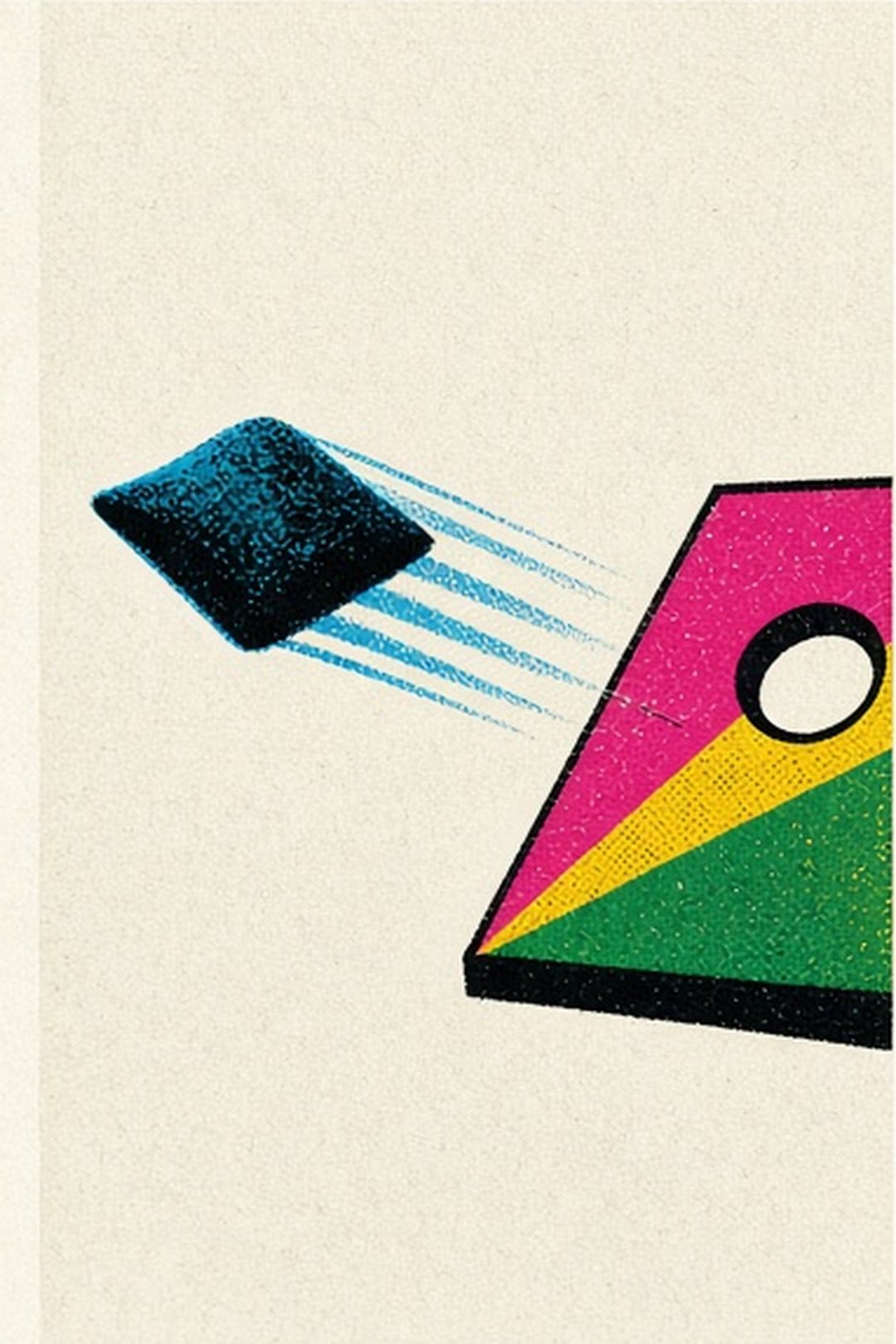
Low flat bag path shown as a screen-printed lane
FlatA lower visual lane can make the landing region easier to compare.
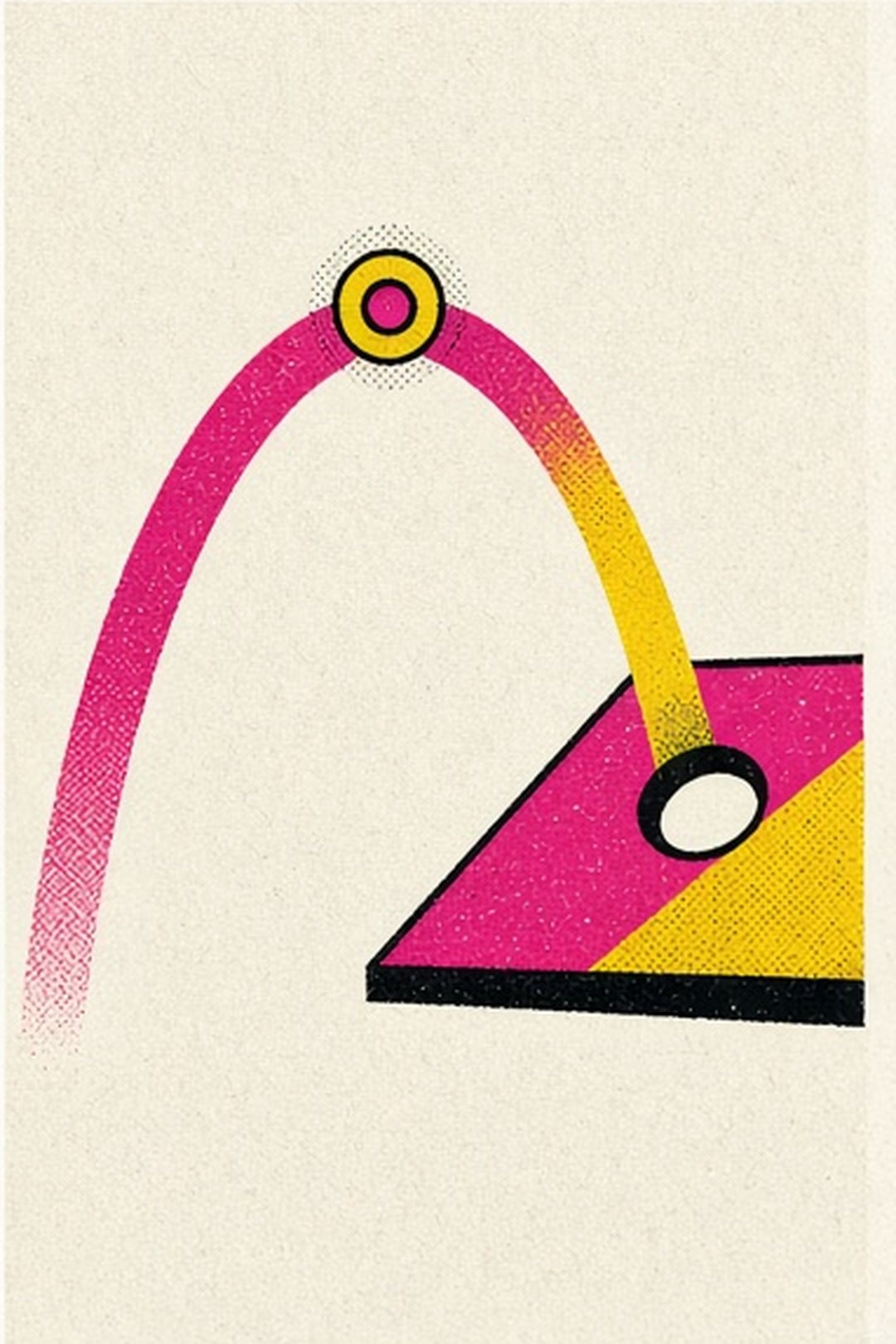
High arc bag path with an apex and landing region
ArcA higher path changes the picture before the bag reaches the board.

Round two / intention is not a guarantee

Choose one path to rehearse, then stay ready to change it.
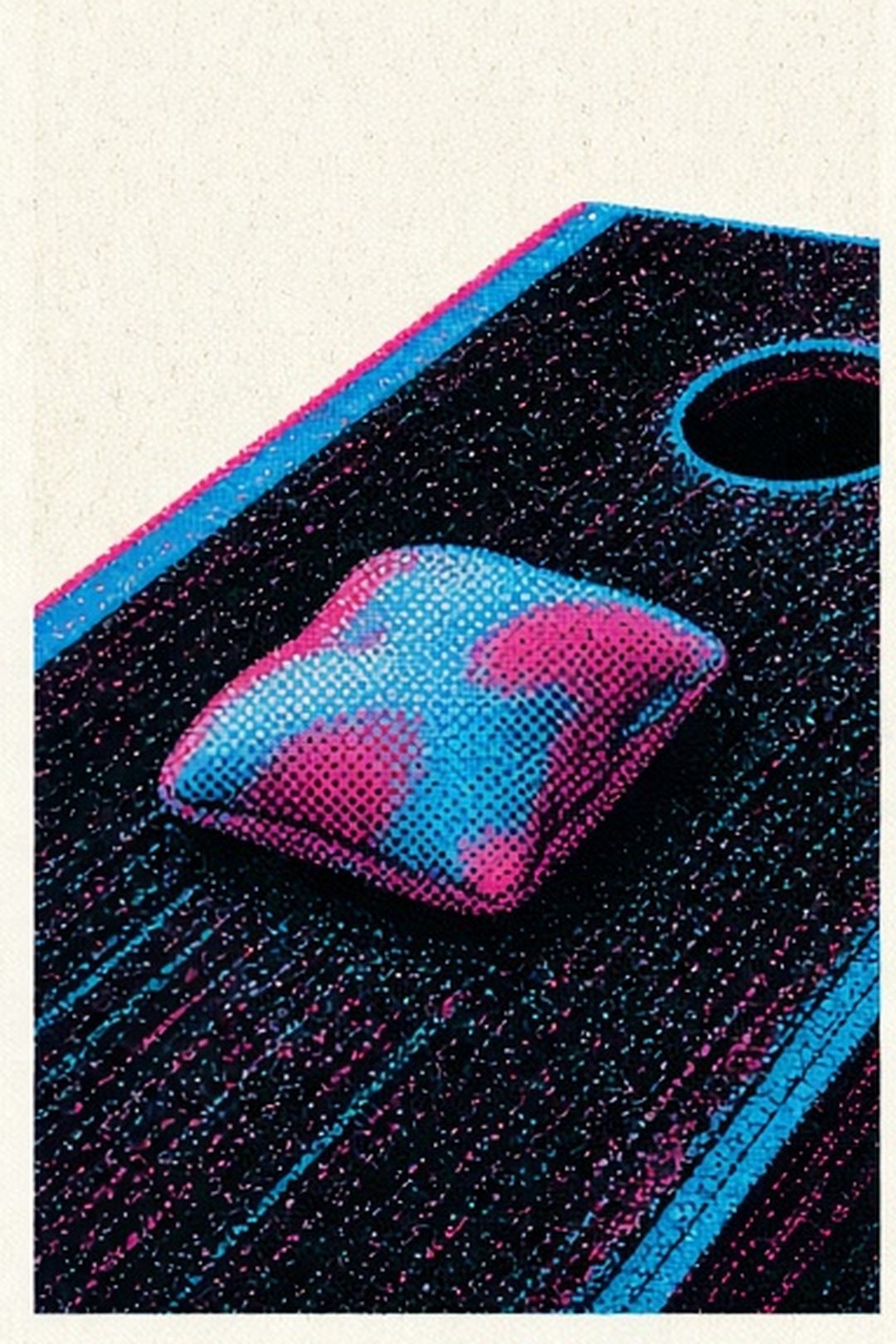
Bag slide path across the board surface
SlideImagine the surface travel.
Bag occupying a board lane as a block intention
BlockSee the lane a bag may occupy.
One fictional bag approaching another in a push relationship
PushRead both bags as one relationship.
Optional high direct bag path toward an open board window
High windowCompare risk and space before choosing height.

Visual transcript: slide follows the surface; block occupies space; push considers two bags; a high window travels over the crowded lane. These are practice ideas, not promises about a result.

Rehearse

Round three / make the routine readable

A repeatable cue can be seen by you and a partner.
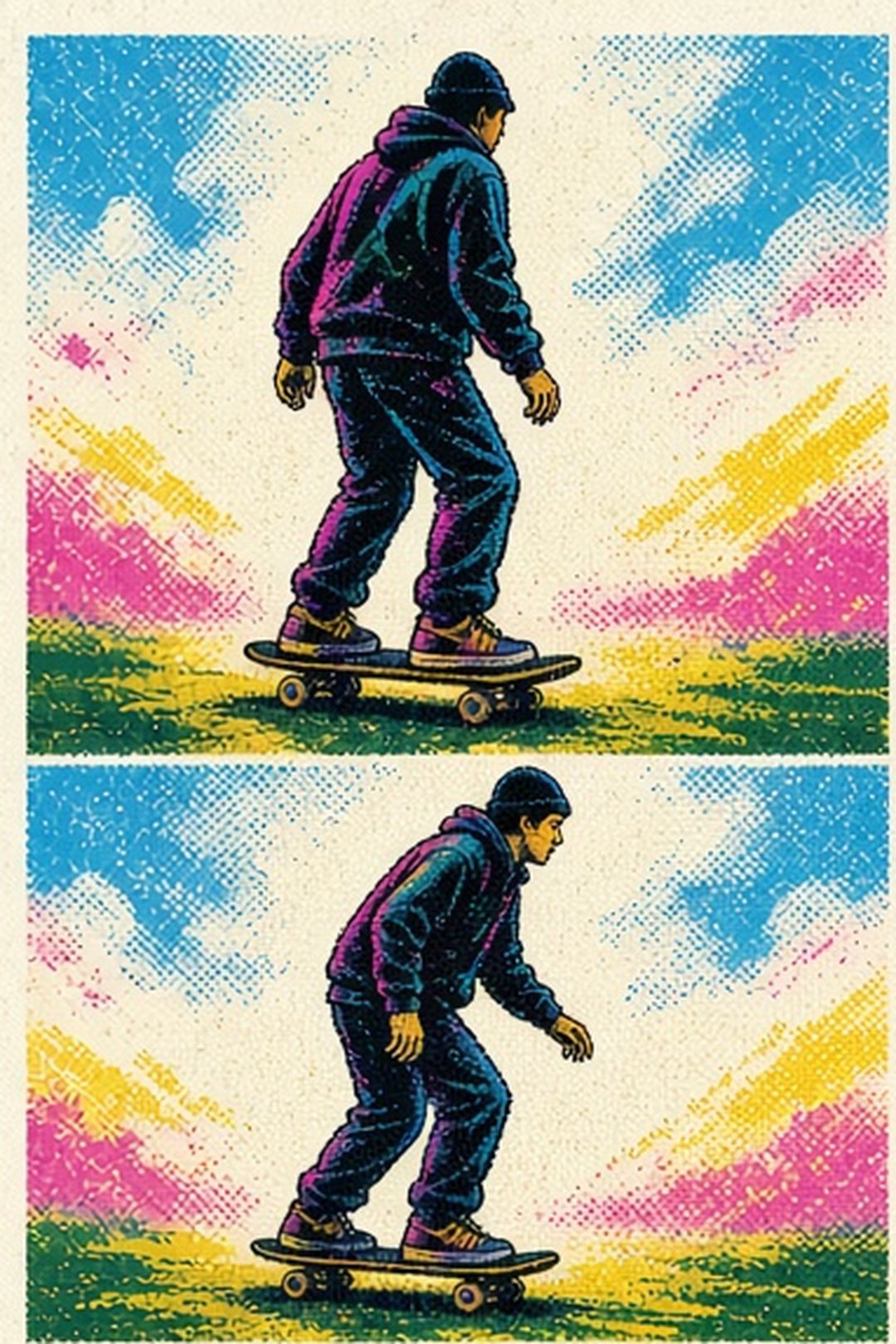
Stable fictional player stance shown from two visual viewpoints
Stance windowCheck balance from more than one view.
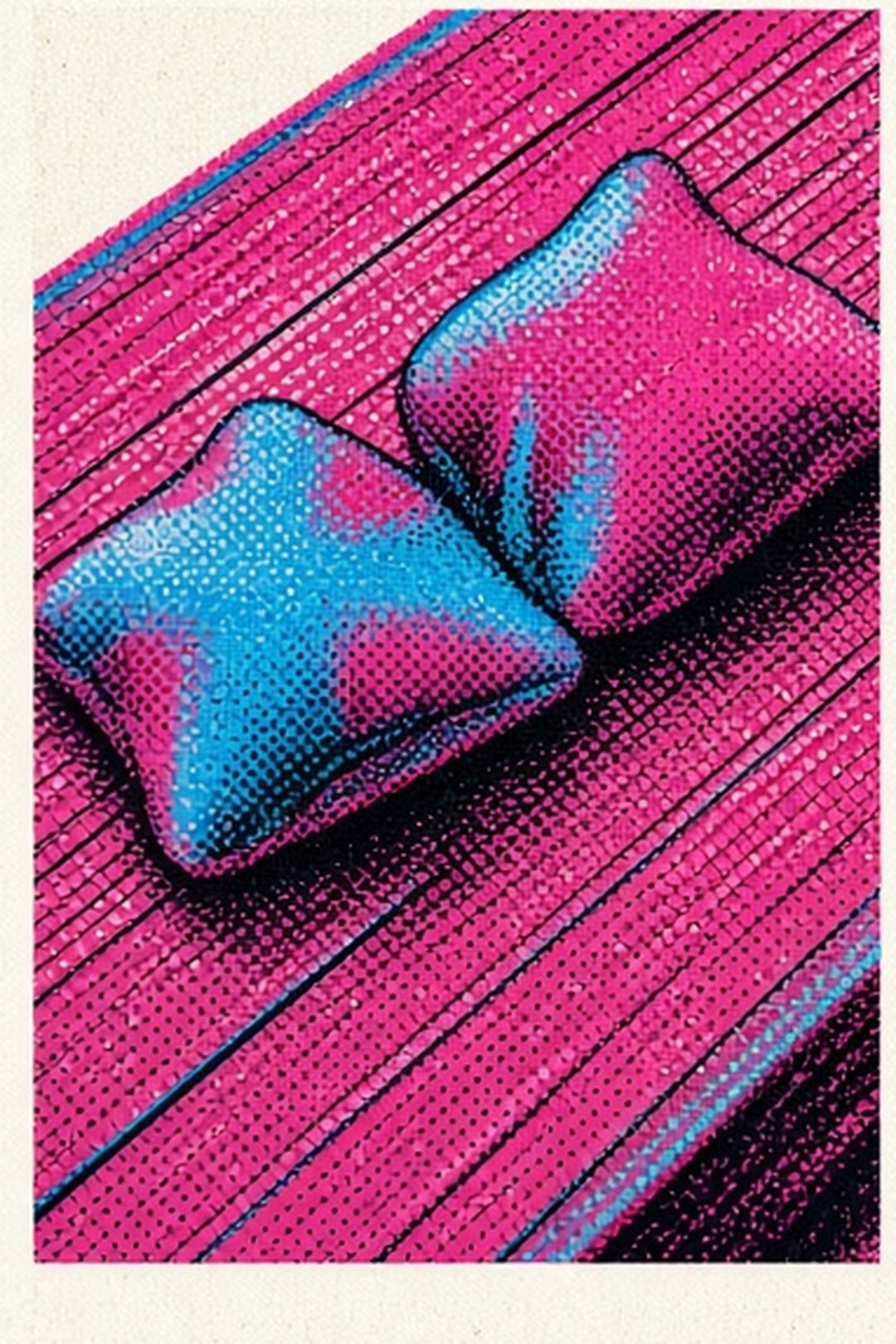
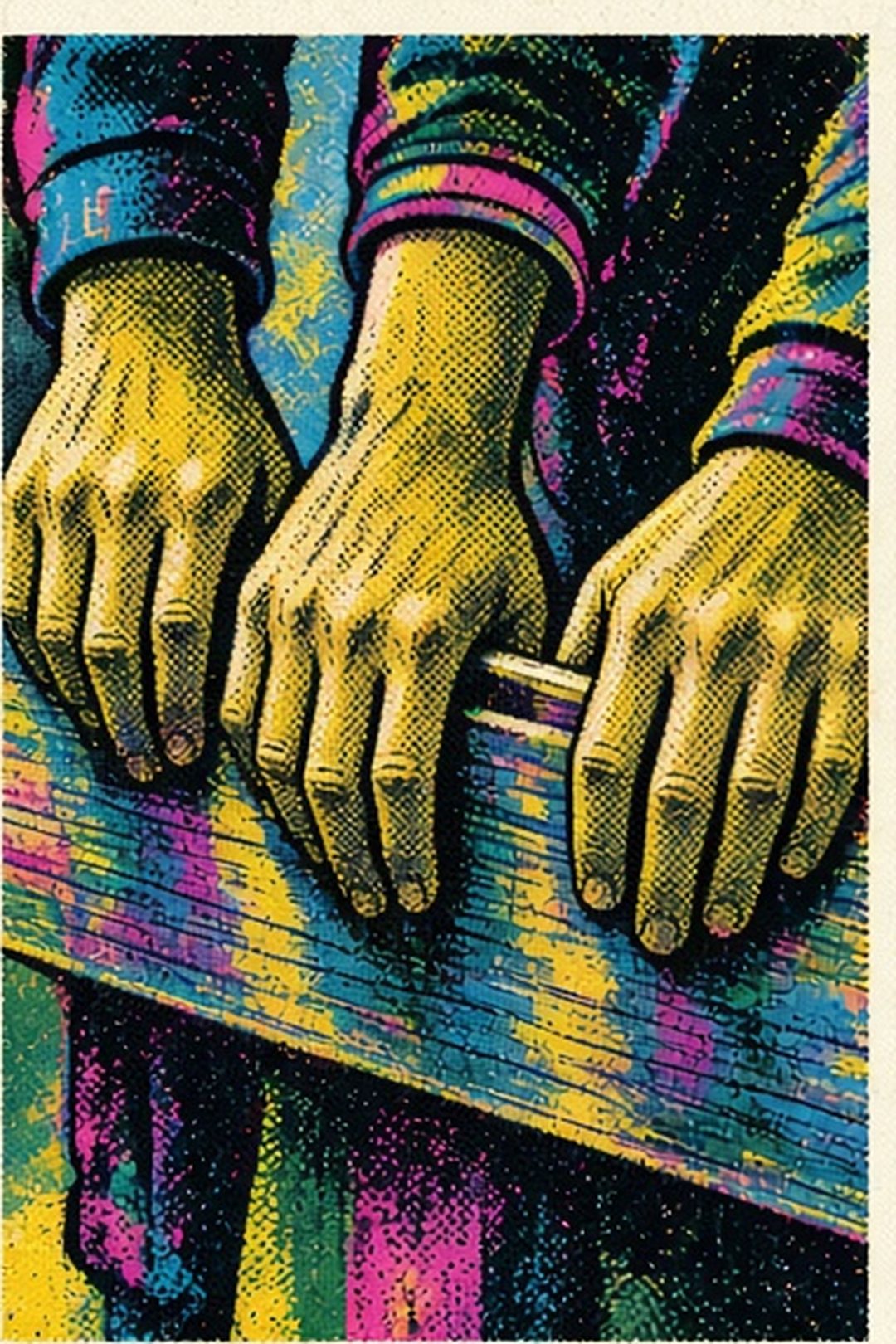
Close view of several generic cornhole bag grip choices
Grip choicesNotice what stays comfortable and repeatable.
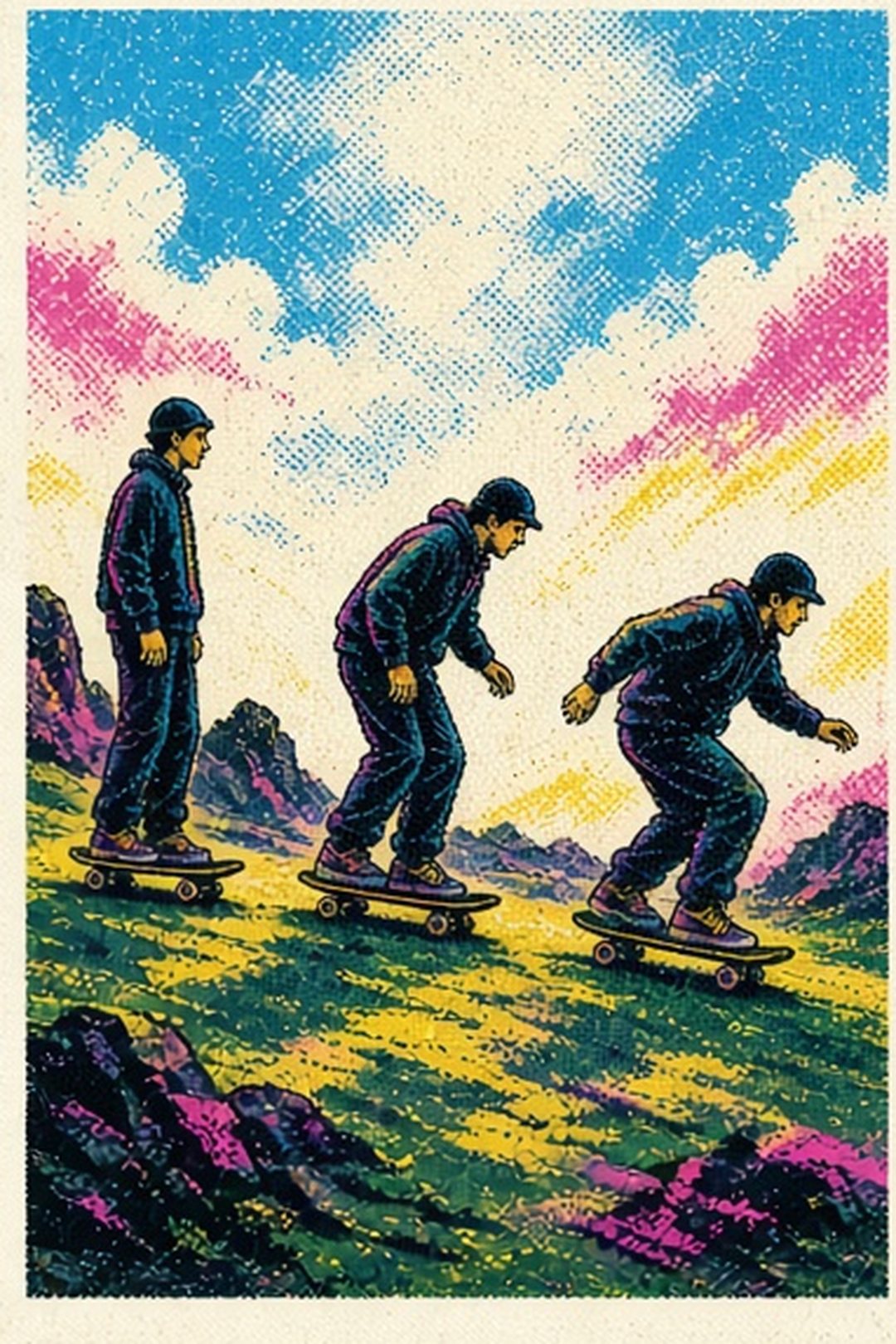
Three-frame visual pre-shot routine using body position and board sightline

Three visible beats

  1. SetFind balance and the full board picture.
  2. AimHold one intended line in view.
  3. ReleaseLet the movement finish before reviewing.
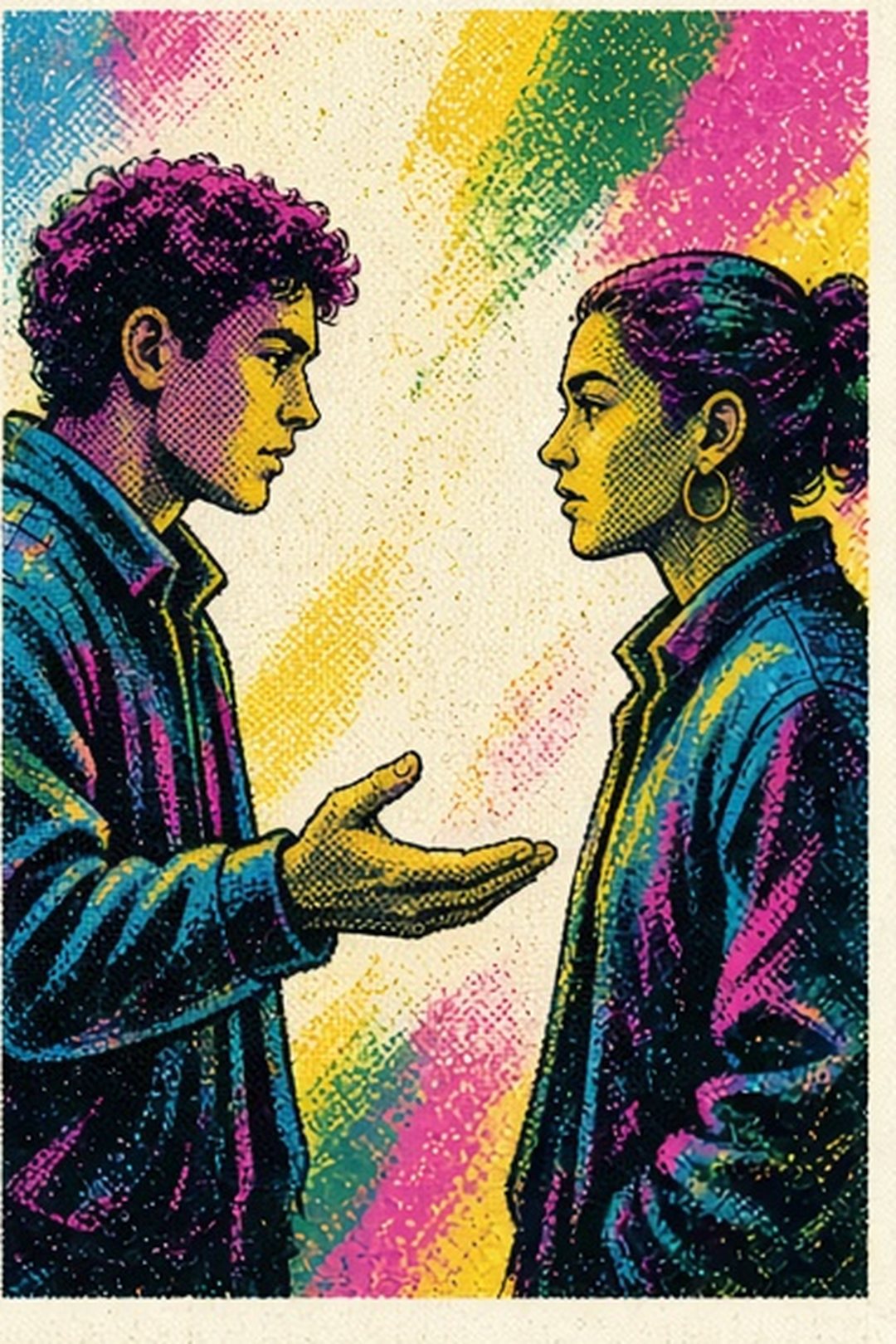
Two fictional partners exchanging a clear hand cue and eye line
Partner railAgree on a visible check-in before the next action.

Face position, eye line, hand cue, and pause can carry timing without requiring a sound signal.

Round four / reset with attention

Review the picture, not your worth.

One repetition can offer information about the board, the intended path, the routine, and communication. Save a compact practice strip when it helps; clear it when it does not.
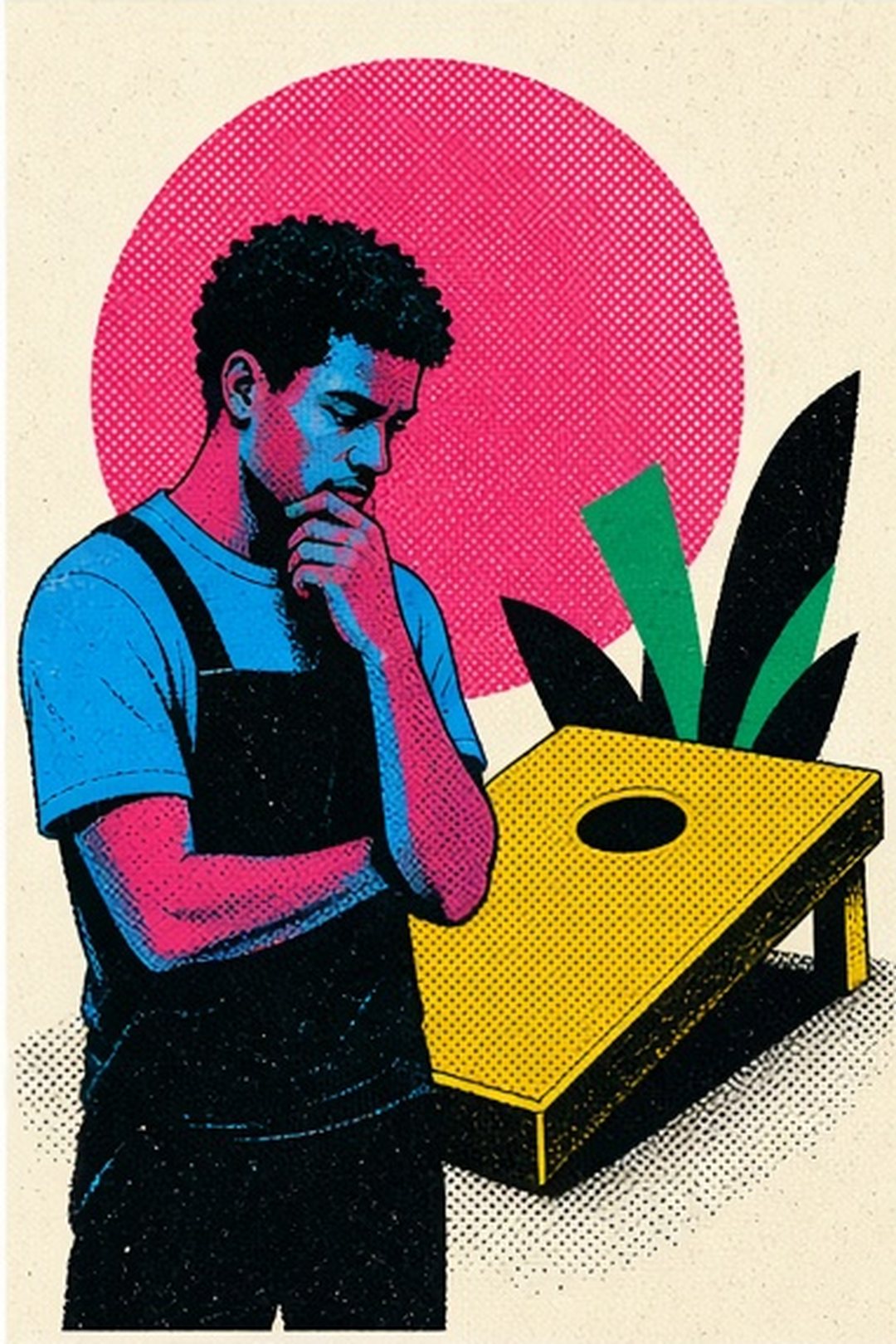
Fictional player making a visual check-in with face and hands visible
Check that the shared space is ready.
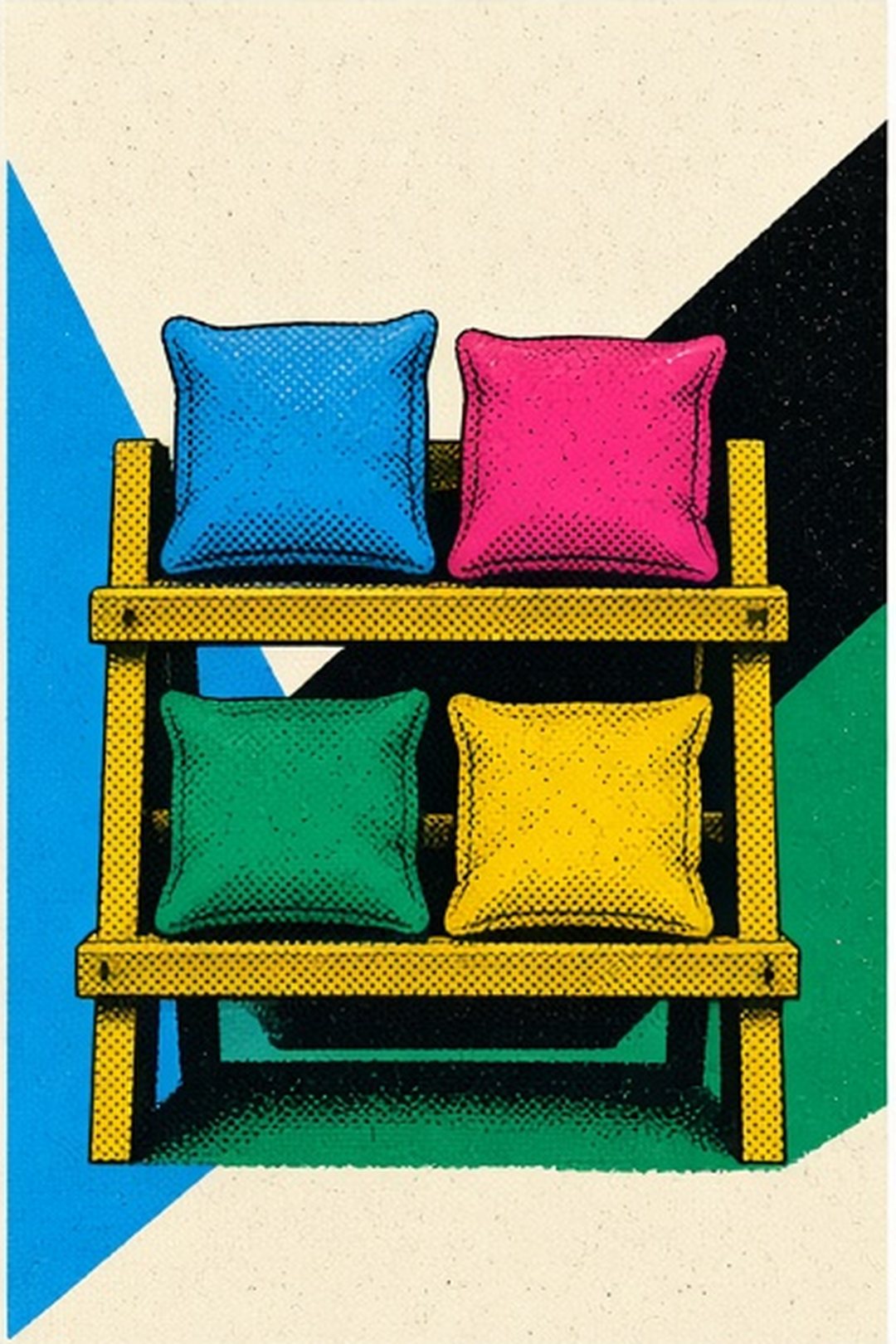
Four-bag practice rack arranged for a visible reset rhythm
Reset the rack; keep the pace deliberate.
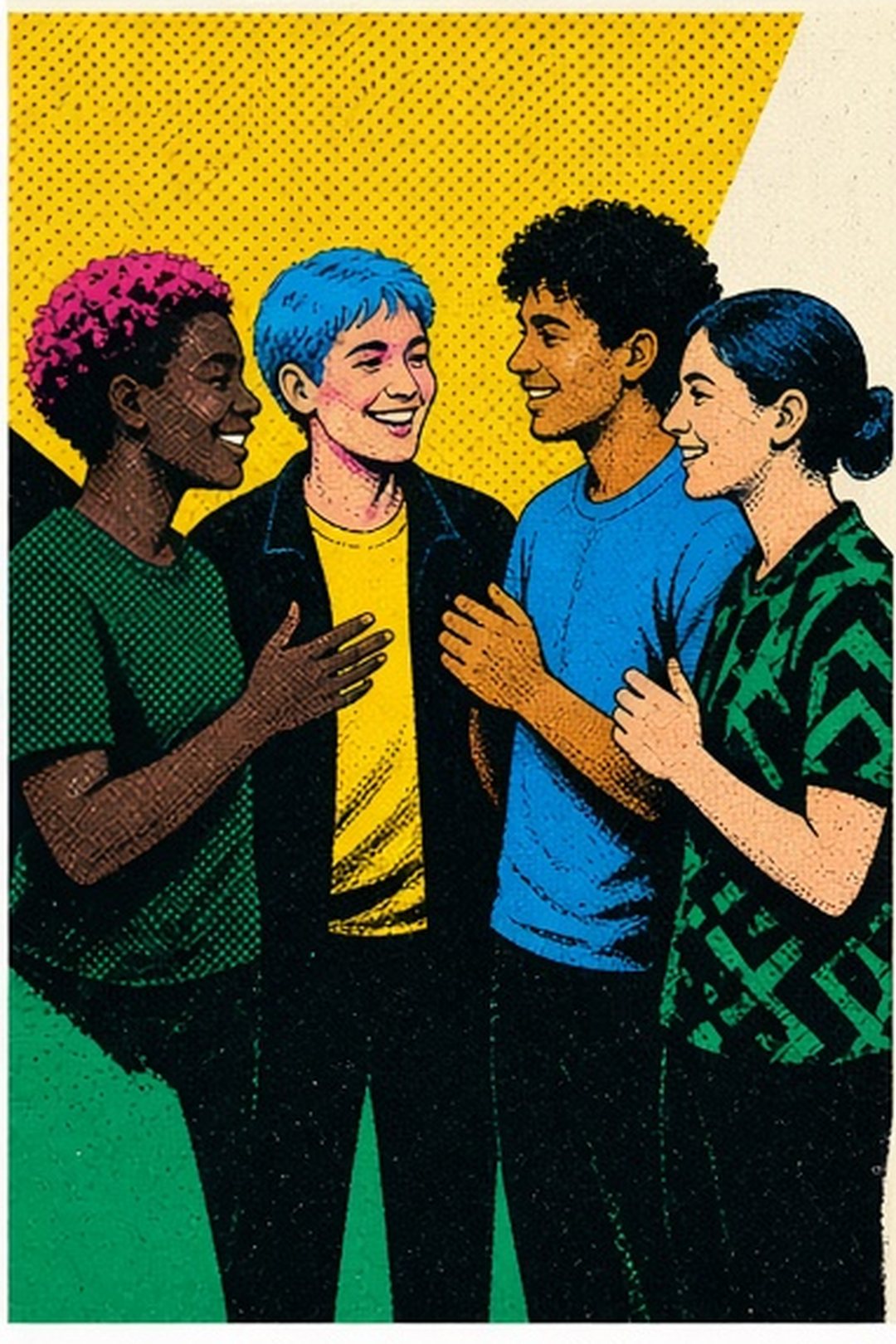
Accessible fictional huddle arranged for clear faces, hands, and sightlines
Make communication space.Faces and hands stay visible; people can reposition for a clearer view.
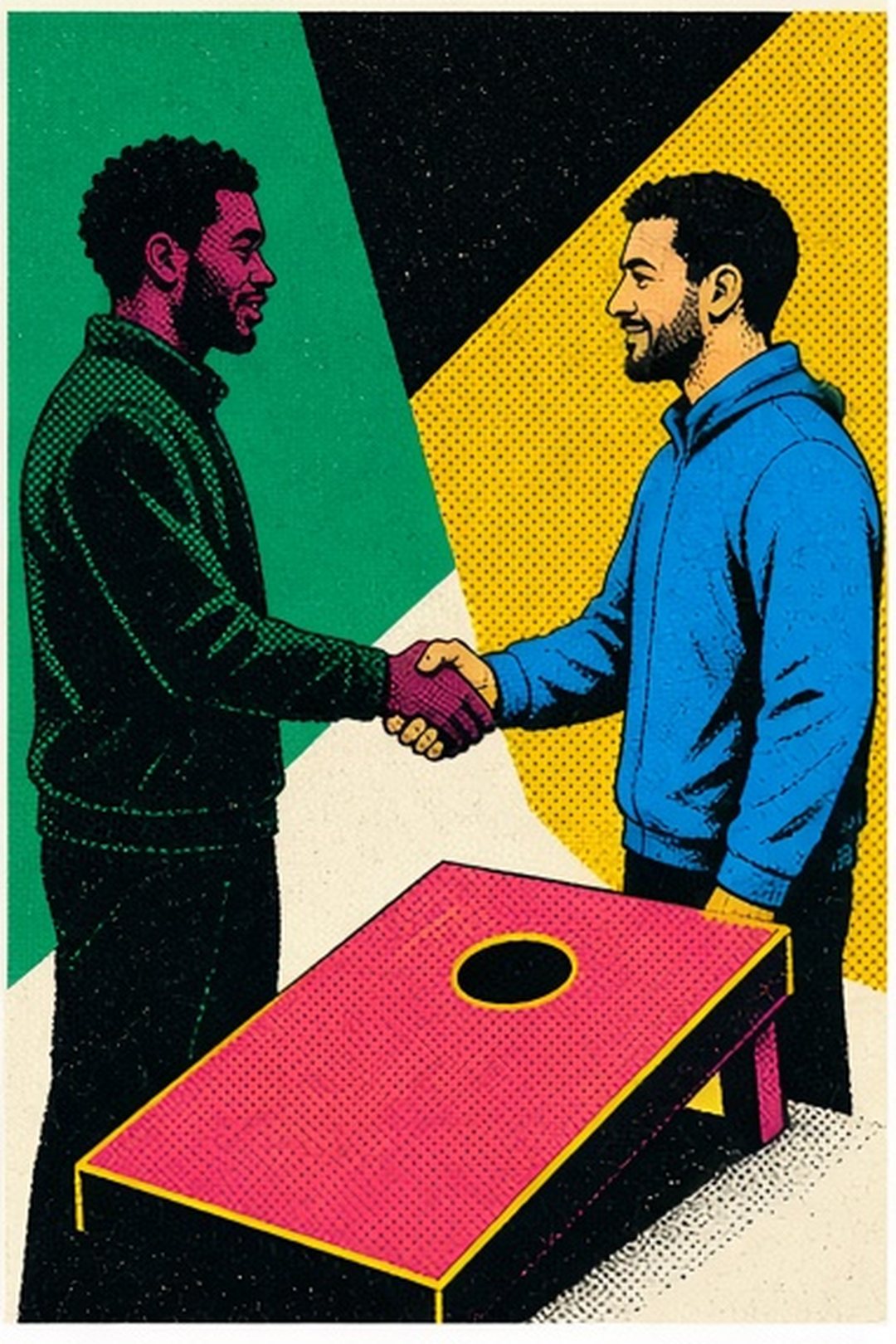
Fictional players acknowledging one another through a visible gesture beside a board

Finish / begin again

Respect travels farther than a bag.Open the quiet playbook